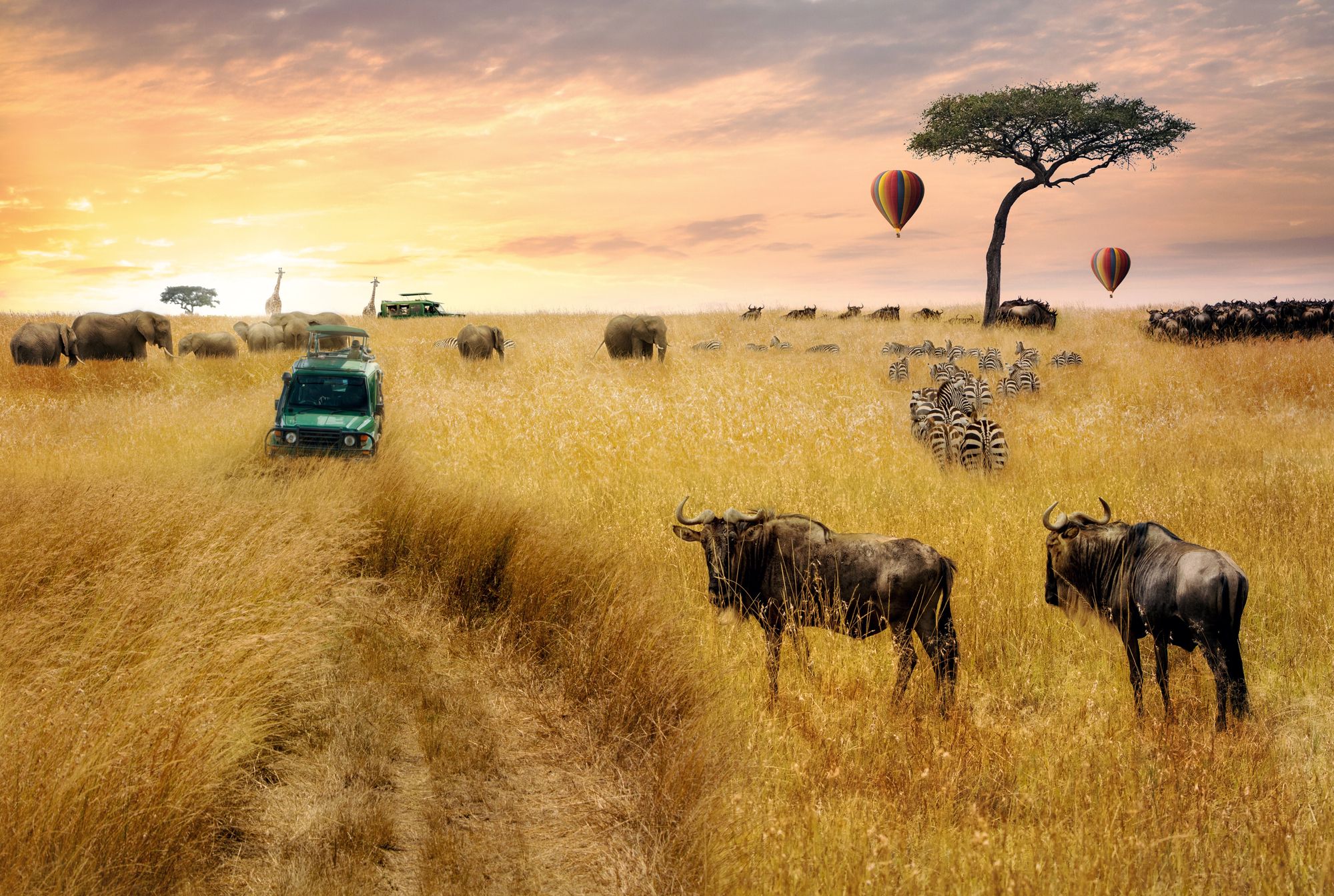
Kenya, planned properly
Plan the Kenya safari you actually wanted
Free, honest guides to the parks, the seasons and what it really costs — and when you are ready, a tailored itinerary and quote from our Kenya specialist within 24 hours.
Start here
Six decisions, in the right order
Most people plan a safari backwards. They start with camps, fall for one, and end up building the trip around a room that was available rather than around what they came for.
There are really only six decisions in a Kenya safari, and they have an order. Get the order right and everything after it becomes obvious — including which camp.
- When you are going — it sets price, crowds and what the animals are doing
- How many nights you actually have on the ground
- Two or three parks chosen for contrast, not coverage
- Your budget per person per night, which is how safaris are priced
- Reserve, conservancy or private land — the decision nobody tells you about
- Flying or driving between the parks
Where to go
Kenya’s parks, honestly compared
Eight areas worth building a trip around, with what each one is genuinely good at — and what it is not.
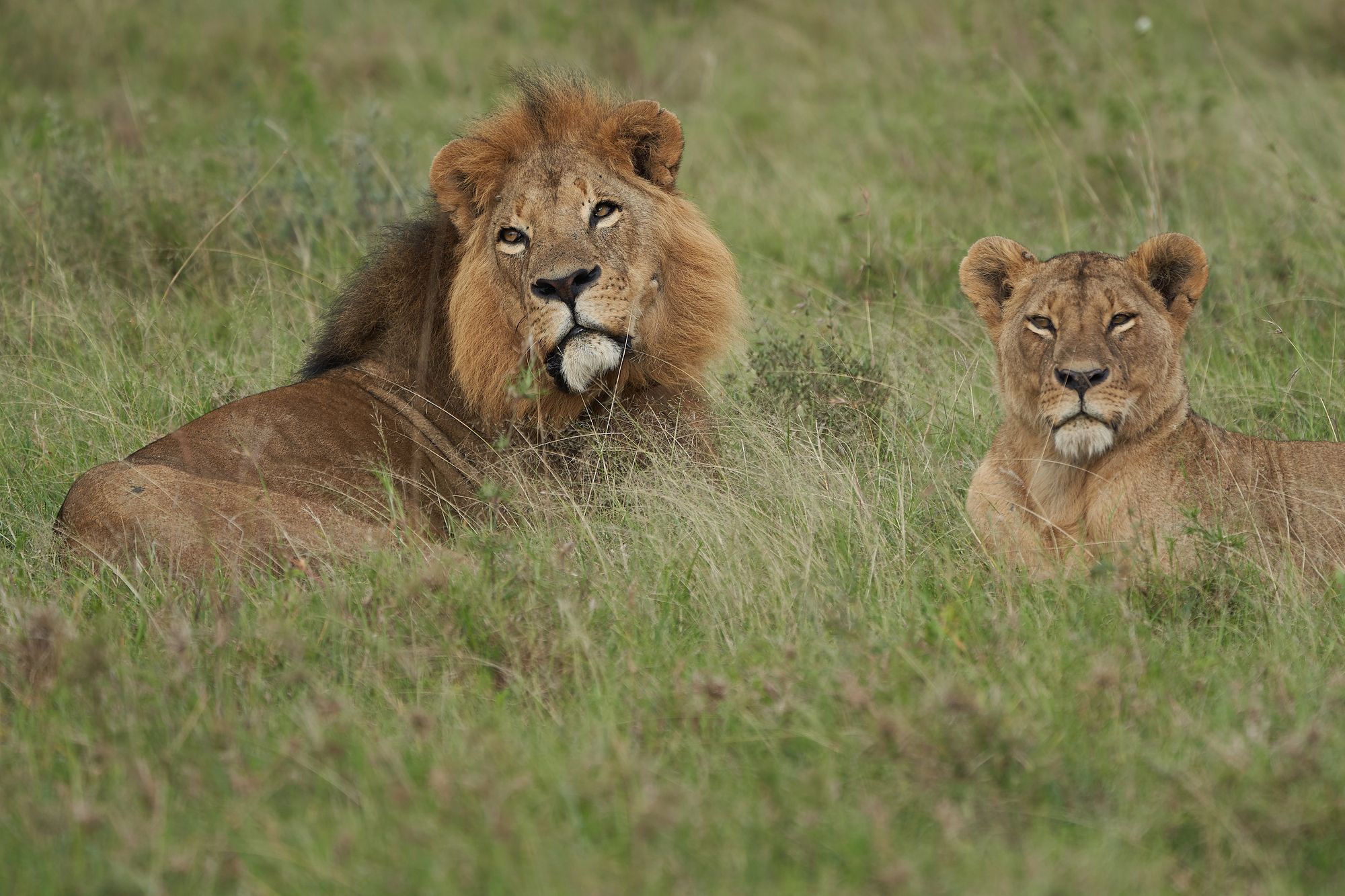
Masai Mara
Kenya’s headline reserve and the southern end of the migration. Also the place where the difference between the reserve and the conservancies matters most.
Read the Masai Mara guide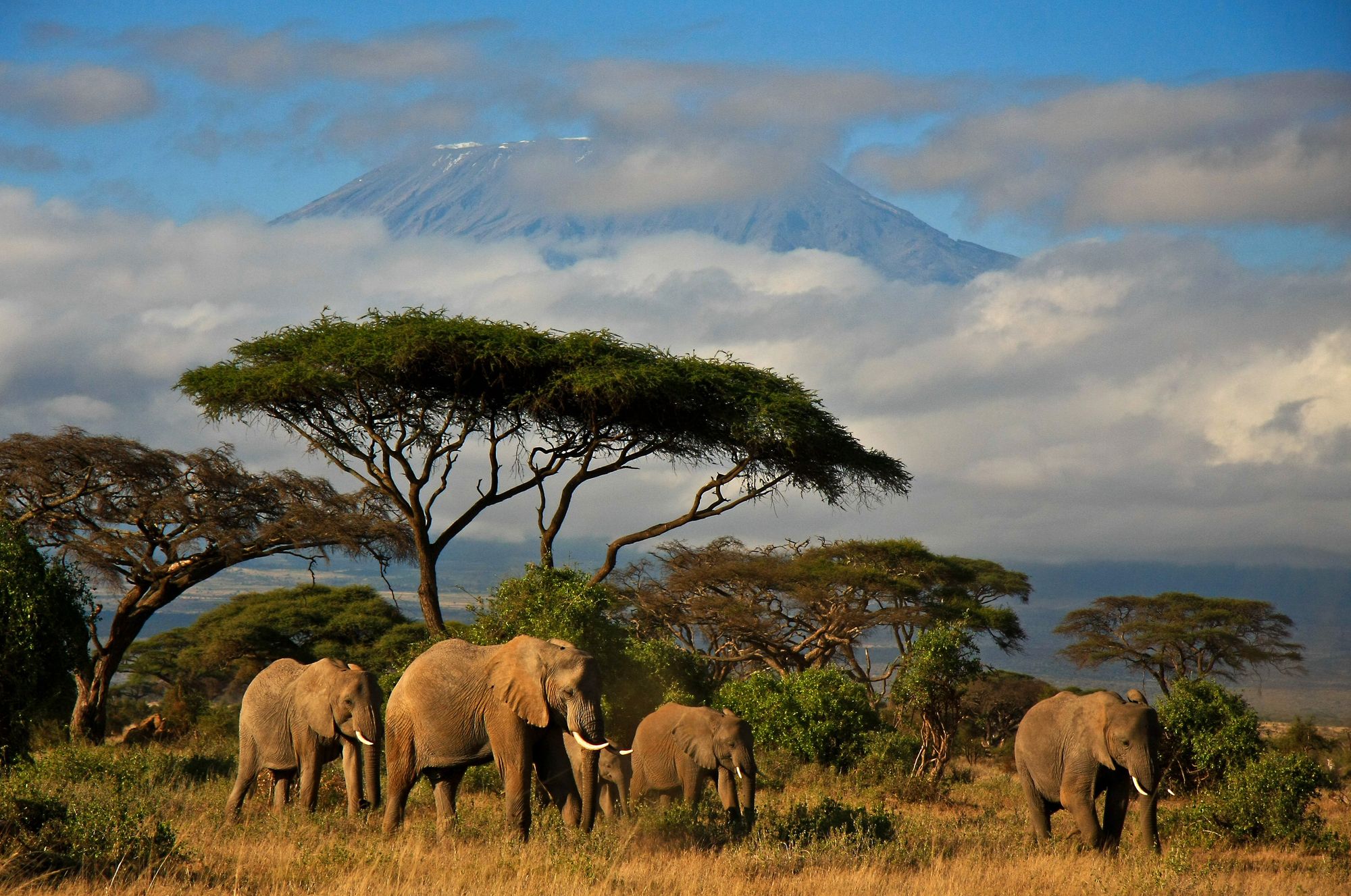
Amboseli
Big-tusked elephant herds on open pans, with Kilimanjaro behind them on the mornings the mountain shows itself.
Read the Amboseli guide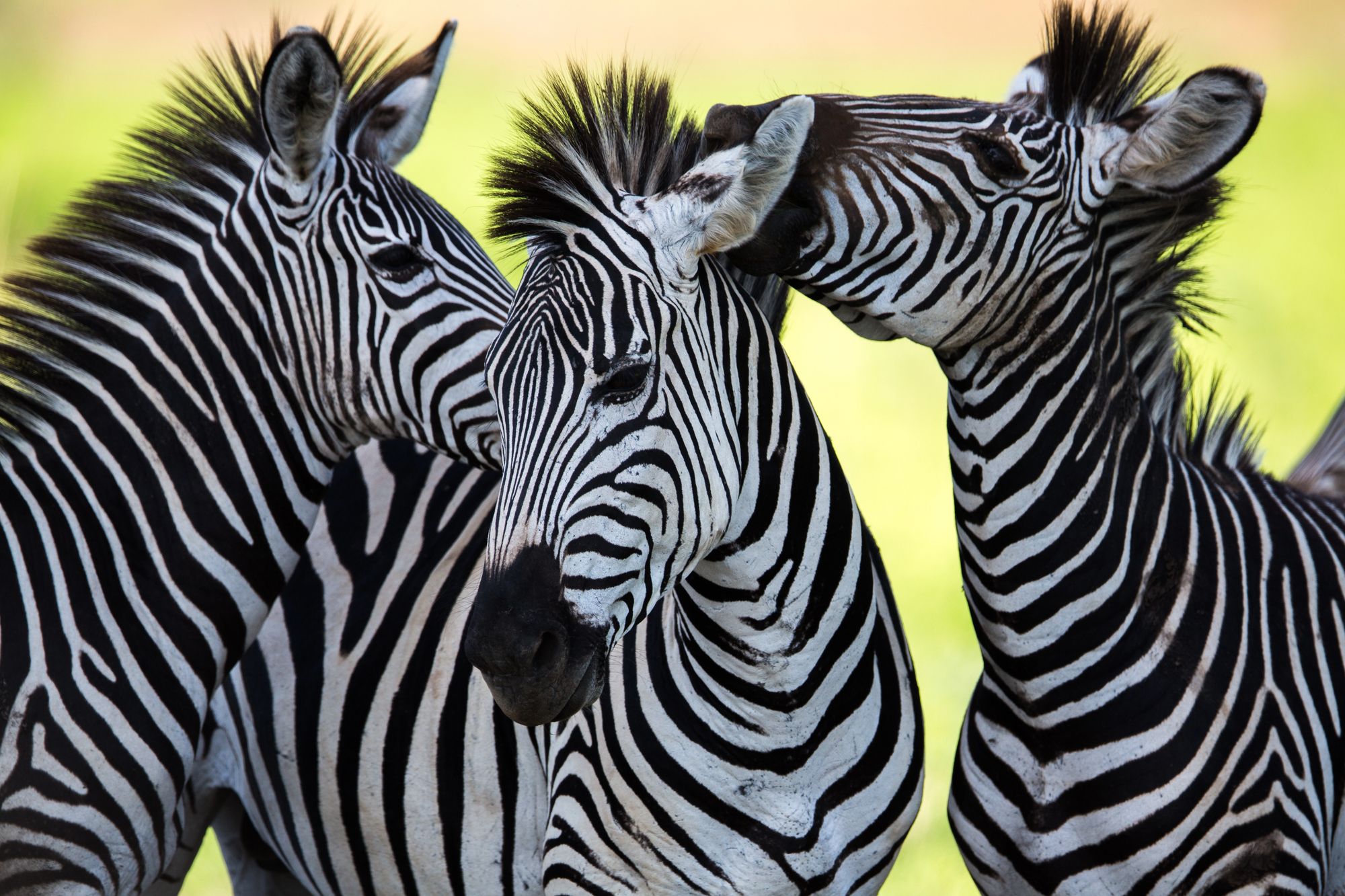
Samburu
Dry, rugged country north of Mount Kenya, with five species you will not see in the Mara and a fraction of the vehicles.
Read the Samburu guide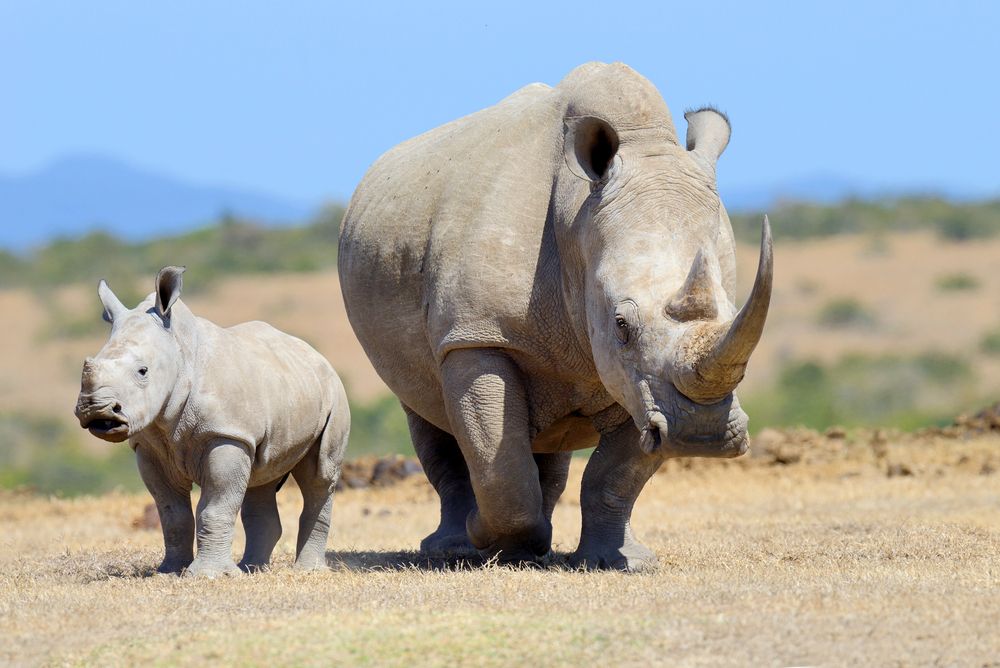
Laikipia
Not a national park but a plateau of private and community conservancies, where you can walk, ride and drive at night.
Read the Laikipia guide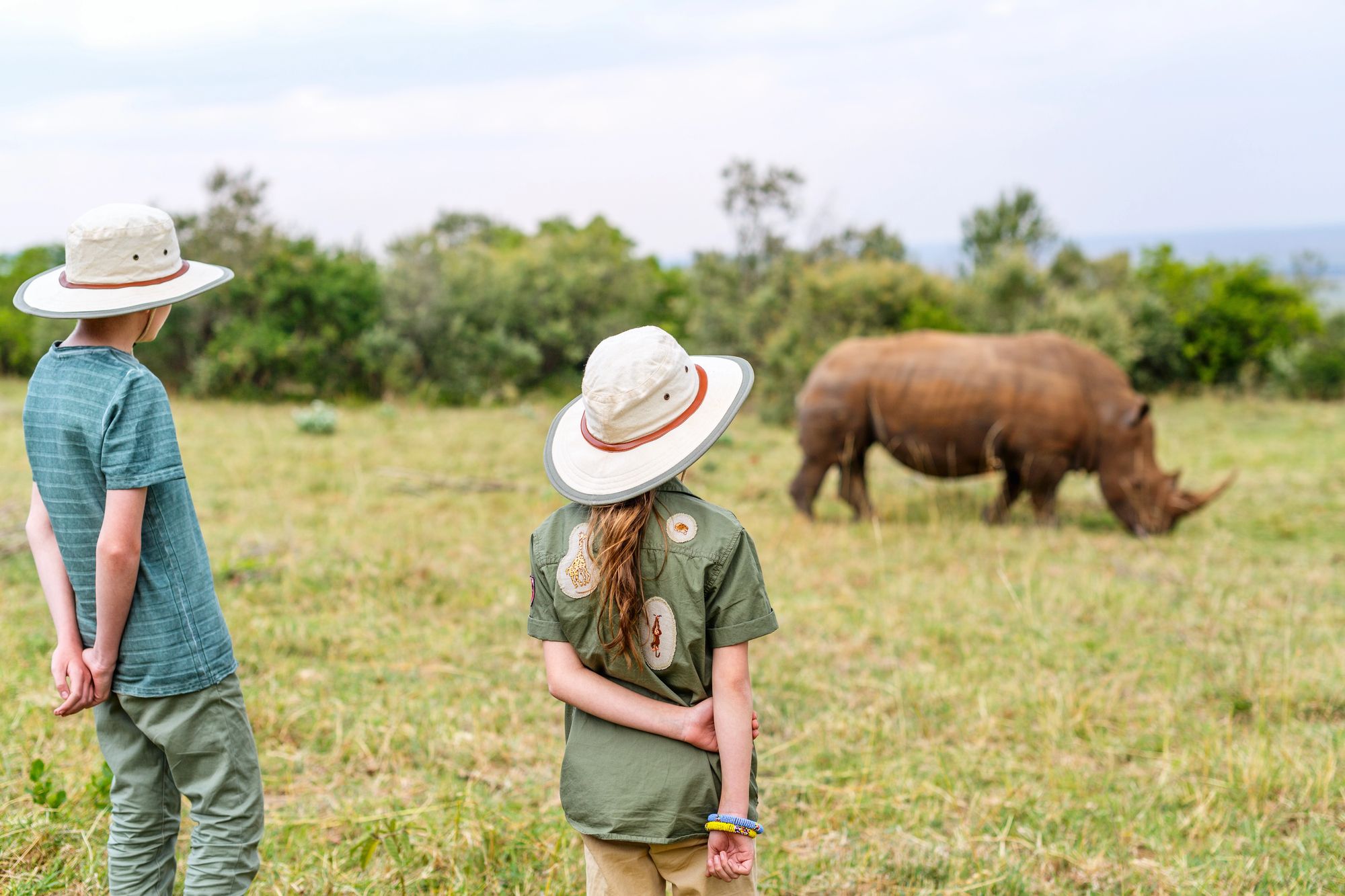
Ol Pejeta
East Africa’s largest black rhino sanctuary, a chimpanzee sanctuary, and Mount Kenya on the skyline — three hours from Nairobi.
Read the Ol Pejeta guide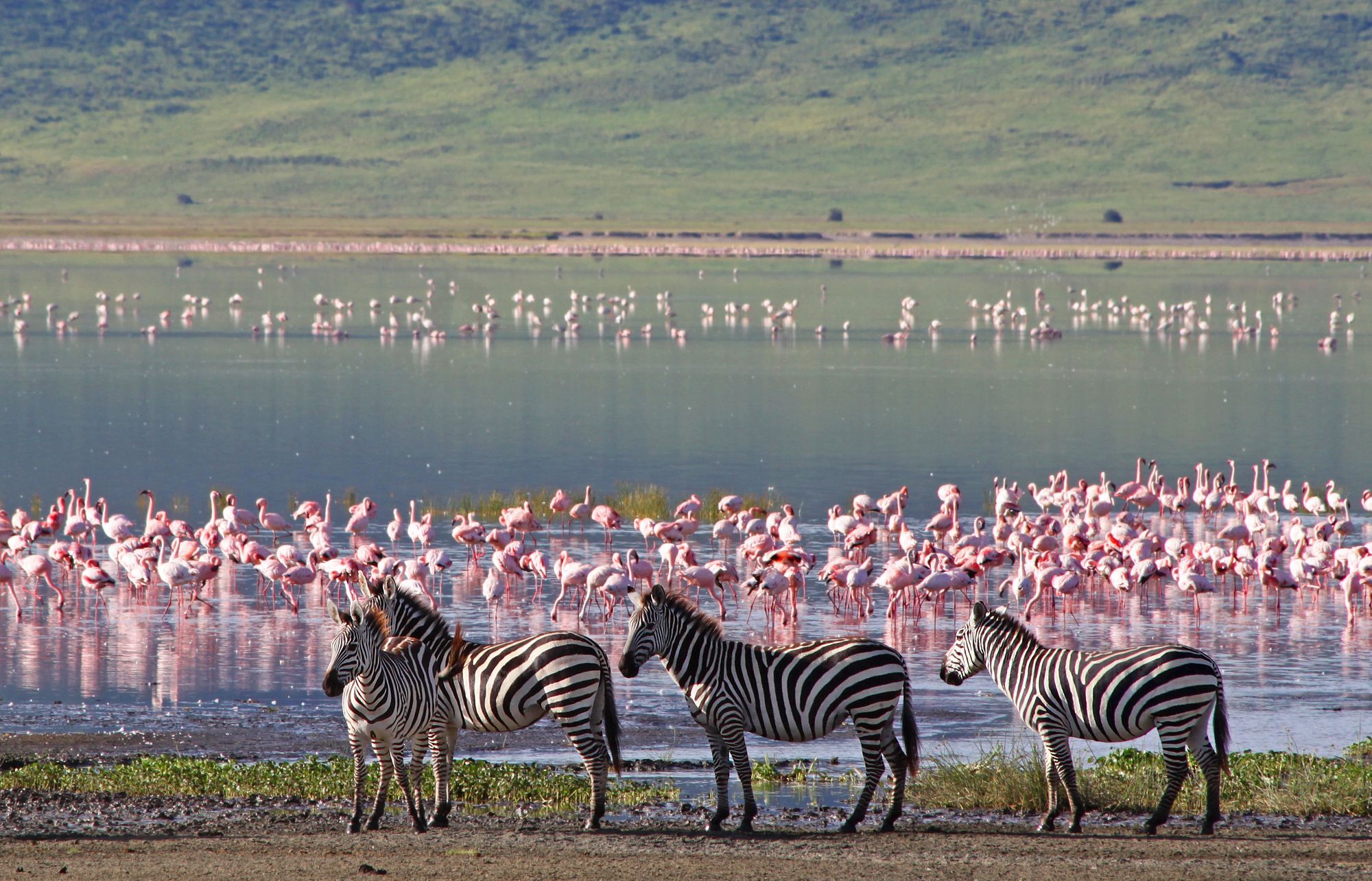
Lake Nakuru
A fenced Rift Valley park with fever tree forest, both rhino species and Rothschild’s giraffe, two and a half hours from Nairobi.
Read the Lake Nakuru guideSample itineraries
Four shapes of Kenya trip
Not packages — starting points. Every one of these gets rebuilt around your dates, your party and your budget before it becomes a quote.
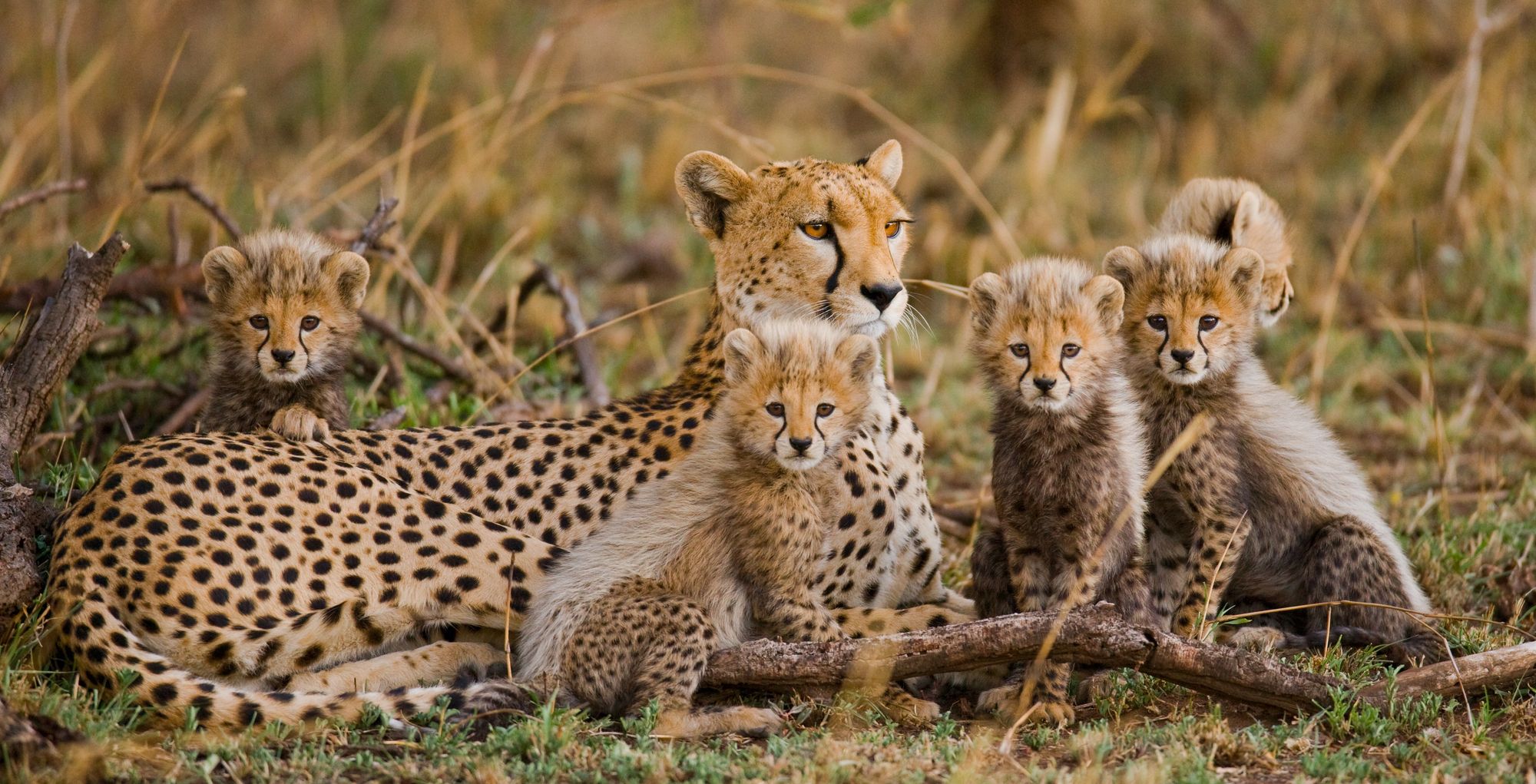
7 days: Masai Mara and Amboseli
The classic first Kenya safari: big cats on the Mara grassland, then elephants under Kilimanjaro.
See the day by day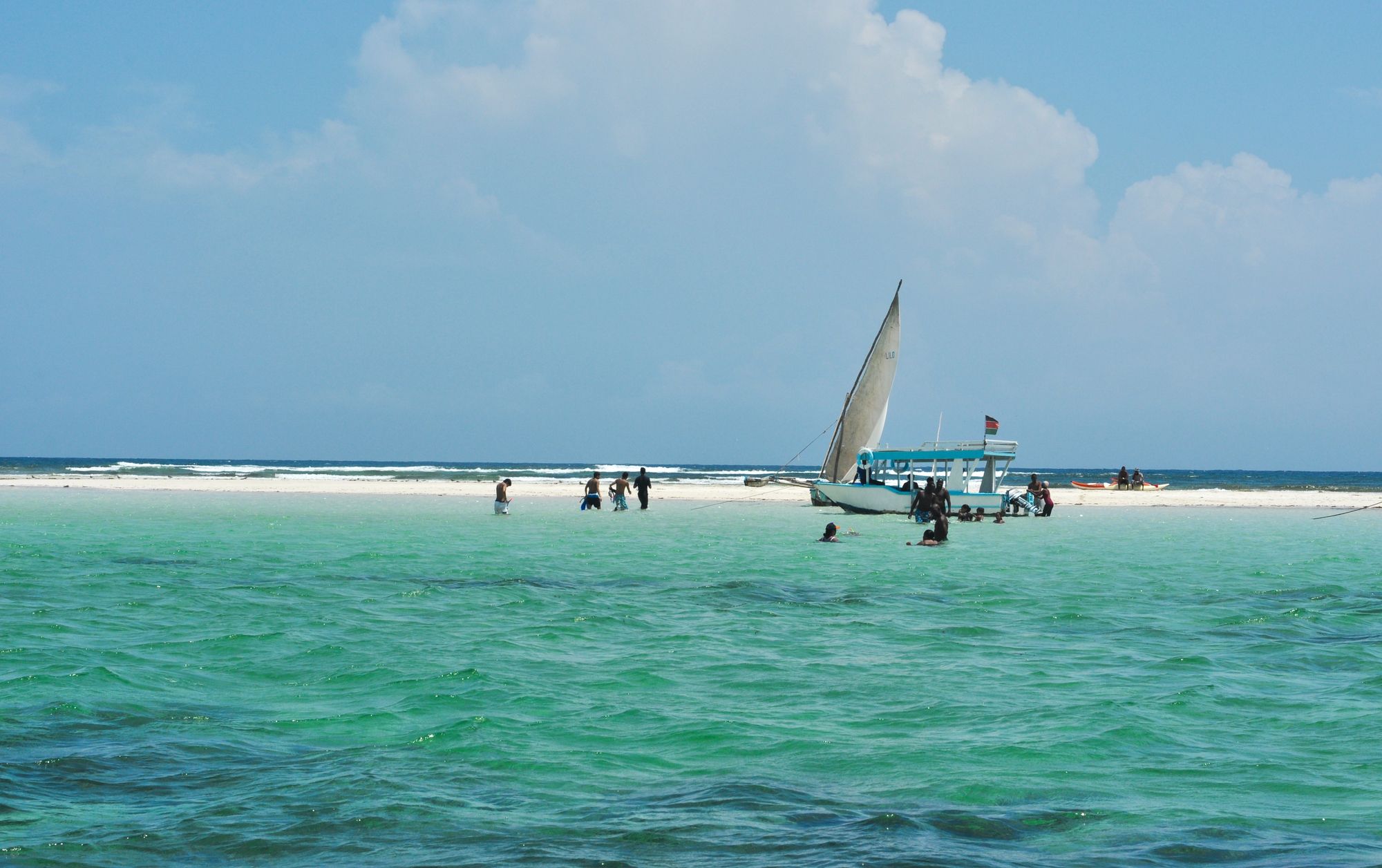
10 days: safari and the Indian Ocean
Five nights on safari, then four doing very little on a white-sand beach with a reef offshore.
See the day by day5 days: Kenya on a short break
Ol Pejeta and the Mara in under a week — the most safari you can responsibly fit into five days.
See the day by day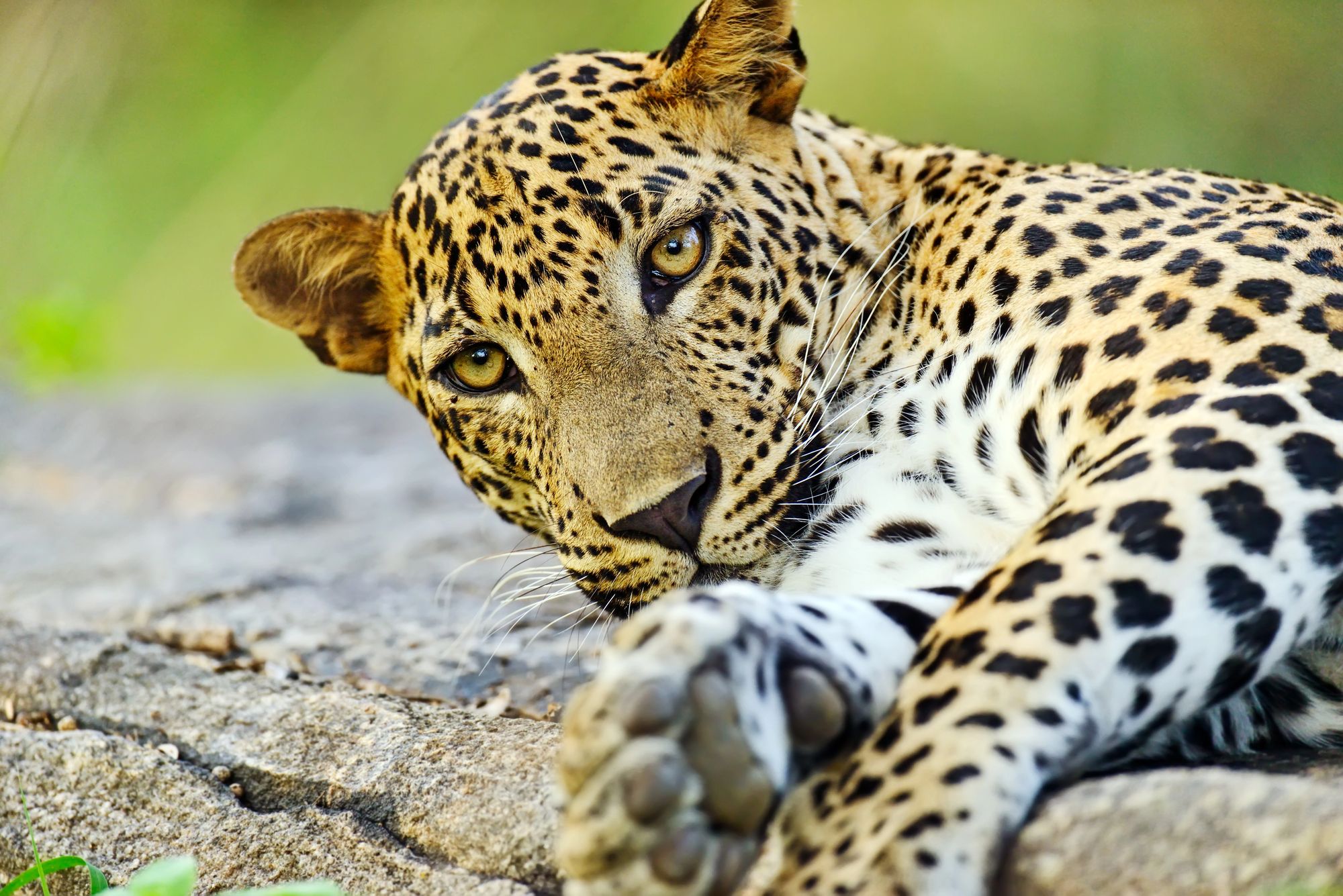
14 days: the full length of Kenya
North to south: Samburu, Laikipia, the Rift Valley lakes, the Mara and the coast, without ever rushing.
See the day by dayBudget
What a Kenya safari costs per person per night
Safaris are priced per person per night, fully inclusive. Thinking in those terms is the fastest way to see what your budget actually reaches.
| Level | Per person per night | What it buys |
|---|---|---|
| Camping and small-group | Under US$300 | Seasonal camping or simple lodges, shared vehicle, longer road transfers. Real wildlife, minimal comfort. |
| Comfort to classic | US$300 – 650 | Solid mid-range lodges and tented camps inside or beside the parks, a private vehicle on most departures, and usually one light-aircraft hop to save a day of driving. |
| Premium | US$650 – 1,000 | Conservancy camps with off-road driving, night drives and walking, flights between most parks, and small guest numbers. |
| Top end | US$1,000 and up | Owner-run and exclusive-use camps, a dedicated guide throughout, private flights, and exclusive-use houses for families and groups. |
Indicative planning ranges only, per person per night sharing, for a fully inclusive safari — accommodation, meals, park and conservancy fees, guiding, and transport between parks. They are what we see in the market, not a quote and not an official tariff. Your quote will be exact and itemised. International flights are not included.
How this works
From a form to a real plan, in 24 hours
No call centre, no drip sequence, no pressure. One specialist, one reply, and a plan you can act on or ignore.
Tell us the basics
Dates, who is travelling and roughly what you want to spend per person per night. Two minutes.
A specialist reads it
Not a template. Our Kenya specialist at Nomad Africa builds an outline around your actual dates and checks what is genuinely available.
You get a costed plan
Within 24 hours: named camps, a day-by-day outline and an itemised price. Free, with no deposit and no obligation.
Free download
The Kenya Safari Planning Kit
Everything we would tell you in a first planning call, written down: the decision order, a month-by-month table, realistic budget ranges, a packing list and the questions to ask before you book anything.
- The six decisions, in the order that actually works
- A month-by-month table: weather, wildlife, crowds and price
- Indicative budget ranges per person per night, and what each buys
- Reserve versus conservancy, compared line by line
- How many nights each shape of trip really needs
- The light-aircraft packing list, with the 15kg baggage limit in mind
- Twelve questions to ask any agency before you pay a deposit
- A one-page worksheet to fill in before you enquire anywhere
No cost, no obligation. We ask for an email so we can send it and, if you want it, follow up once.
In their words
What travellers say
No reviews are shown because none have been supplied yet. Add them to
shared/placeholders.mjs → testimonials, using the traveller's real
name, month of travel and written permission. This block renders automatically once the
array is non-empty. Nothing invented is ever published here.
Before you ask
The questions we get most
How far ahead should I book a Kenya safari?
For July to October — the migration months in the Masai Mara — six to twelve months is normal, and the best small camps sell out first. Christmas and New Year book up just as early.
For the shoulder months, three to four months is usually comfortable. Inside eight weeks we can still put a very good trip together, but you are choosing from what is left rather than from everything.
If your dates are fixed and your heart is set on a particular camp, book early. If you are flexible, late availability can work in your favour.
Is a Kenya safari safe?
The safari areas themselves are well run, and camps and lodges take guest safety seriously. The practical risks on a safari are ordinary travel risks: road transfers, sun, stomach upsets and not listening to your guide around animals.
Nairobi warrants the same care as any large city — use arranged transport, keep valuables out of sight, and do not walk around at night with your phone out.
Check your own government’s current travel advice for Kenya before you book and again before you fly, and take out travel insurance that covers medical evacuation. We will not tell you an area is fine if the advice says otherwise.
Do I need vaccinations or malaria tablets?
Most safari areas in Kenya are malarial, so antimalarials are the norm. Yellow fever requirements depend on where you are travelling from and can change.
This is a question for a travel clinic or your doctor, six to eight weeks before you fly — not for a website. We will tell you which areas and altitudes your itinerary covers so you can give them accurate information.
What is actually included in a safari price?
A Kenya safari is usually quoted fully inclusive: accommodation, all meals, park and conservancy fees, your guide and vehicle, and transport between parks. Most camps include soft drinks, house wine, beer and laundry.
Not included: international flights, visas or travel authorisation, travel insurance, tips, premium drinks, and extras like balloon flights, private guiding where it is an upgrade, and spa treatments.
Every quote we send itemises this, so you can see exactly what you are paying for.
Fly or drive between the parks?
Driving is cheaper, shows you the country between the parks, and means your guide and vehicle stay with you throughout. It also costs you time: Nairobi to the Masai Mara is a long day on the road.
Flying costs more per person but buys back whole days. On a trip of a week or less it is often the difference between two parks done properly and three done in a rush.
Many of the best Kenya itineraries do both — drive the Rift Valley leg, fly the long one.
Start planning
Tell us about your trip
The more you tell us, the better the first reply is. But dates, party and budget are enough to get something genuinely useful back.
Your enquiry goes to Nomad Africa, our partner travel agency in Kenya, who build and price the itinerary and look after you on the ground.
- A reply within 24 hours, from a person, with named camps
- An itemised price — you can see what every night costs
- An honest answer if your budget and your plan do not match
- No deposit to see a plan, and no obligation at any point
Who answers
Nomad Africa, our partner travel agency in Nairobi, builds and prices every itinerary we send. You deal with one team, on the ground, for the whole trip.
Licence and membership numbers appear here once filled in at
shared/placeholders.mjs → partner. Nothing is claimed until it is verified.
Get your tailored itinerary and quote
Our Kenya specialist replies within 24 hours with a costed plan built around your dates.
More from our Kenya guides
Specialist guides across our Kenya network
Each of these is a focused guide we publish. Same Kenya specialist behind every enquiry.