Samburu County, northern Kenya
Samburu National Reserve
Doum palms along the Ewaso Ng’iro river, red rock and thorn scrub, and a distinctly northern cast of animals.
- Best for
- Northern species, low vehicle numbers
- Best months
- June – October, December – March
- Suggested stay
- 2 – 3 nights
- From Nairobi
- 1-hr flight or 5–6 hours by road
Why go
Samburu feels like a different country from the Mara, because ecologically it is. This is arid northern Kenya: red earth, thorn scrub and doum palms strung along the Ewaso Ng’iro, the river that keeps everything alive. Animals concentrate on the water, which makes game viewing predictable in the dry months.
The draw is the so-called special five — Grevy’s zebra, reticulated giraffe, Beisa oryx, gerenuk and Somali ostrich — none of which you will find in the southern parks. Add elephant along the river, good leopard along the banks and a real chance of wild dog, and Samburu earns its place on a second-week itinerary.
Three reserves, one ecosystem
Samburu National Reserve sits on the north bank. Buffalo Springs is directly opposite on the south bank, and Shaba lies to the east. They are separately managed but share the river and the wildlife, and most camps can drive more than one.
Vehicle numbers here are a fraction of the Mara’s. You can spend a morning on a leopard sighting with nobody else in it.
Getting there is part of the decision
By air it is about an hour from Nairobi Wilson. By road it is five to six hours, much of it good tarmac past the flank of Mount Kenya, and the drive itself is interesting — you watch highland farmland turn into dryland scrub.
That drive also makes Samburu easy to combine with Ol Pejeta or Laikipia, both of which sit on the way. Mara to Samburu, however, is a flight; do not try to drive it.
Culture, done properly
Samburu communities live around the reserves and most camps offer village visits. Done well — arranged with a community that has agreed to it, with a fair fee, and without treating people as scenery — these can be the most memorable afternoon of a trip. Done badly they are uncomfortable for everyone.
If this matters to you, say so on the enquiry form and we will put you with camps that have a genuine, long-standing relationship with their neighbours rather than a coach-party arrangement.
What you will see
- Grevy’s zebra — narrow stripes, big round ears, globally endangered
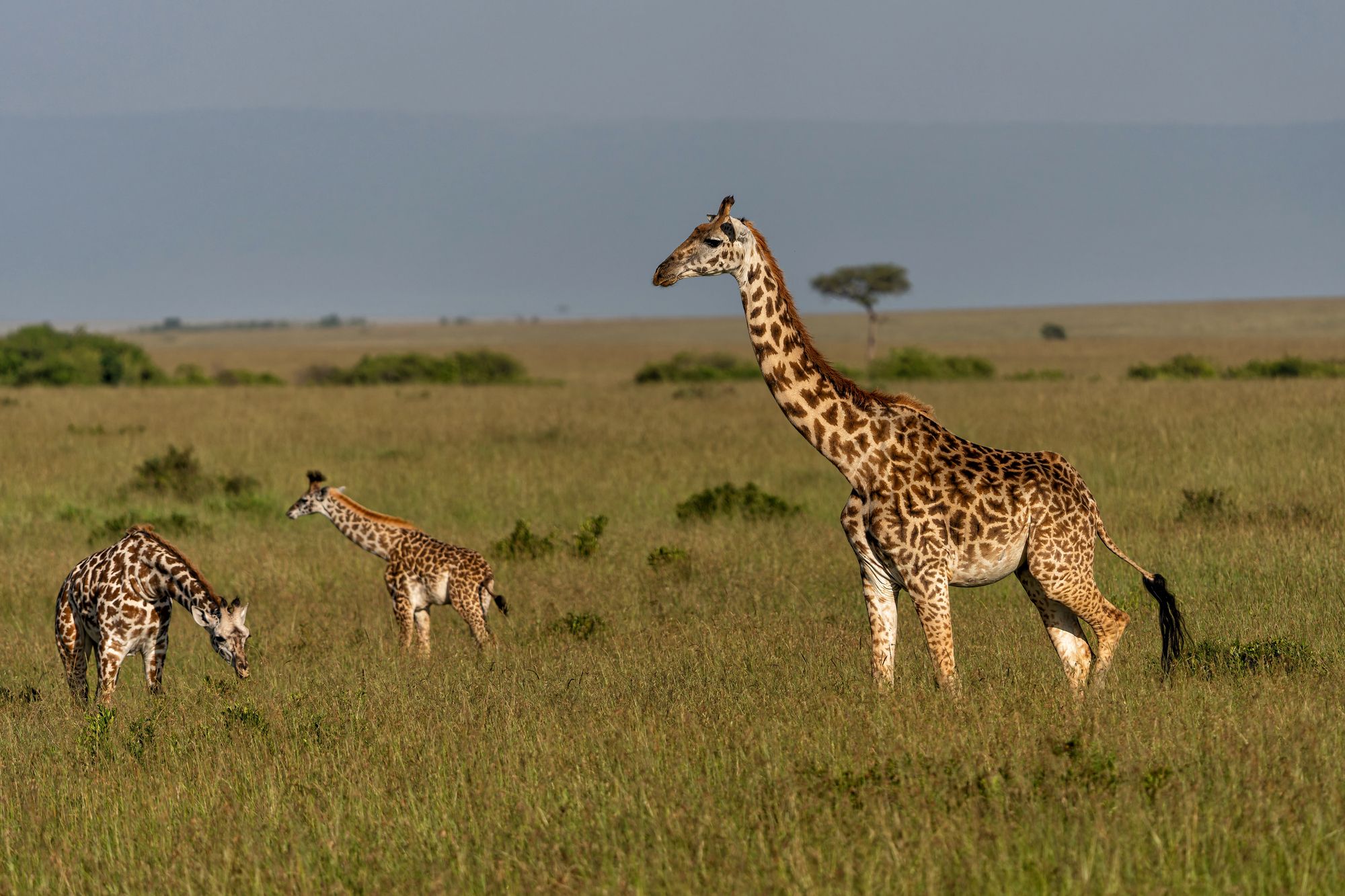
- Reticulated giraffe — the sharply patterned northern giraffe
- Beisa oryx, gerenuk and Somali ostrich, the rest of the northern special five
- Elephant and leopard along the Ewaso Ng’iro
- Lion, cheetah and a genuine chance of African wild dog
Where to stay
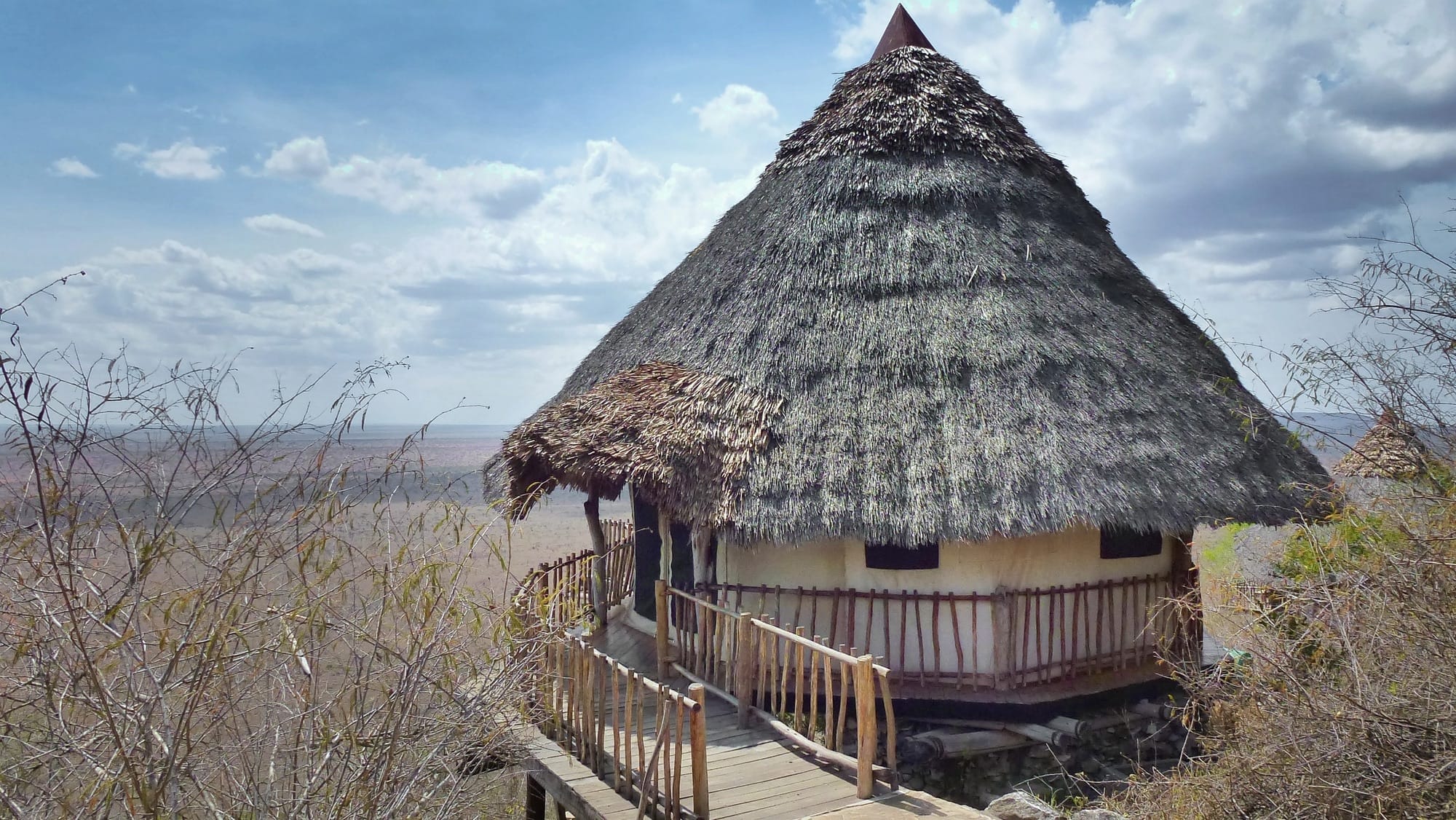
- Riverside camps inside the reserves, where elephants walk through at midday and the river is your soundtrack.
- Community conservancy camps further north, remote and often the most interesting guiding in the region.
We do not publish camp names as recommendations
Which camp is right depends on your dates, your budget and how you feel about other vehicles — and availability changes weekly. Tell us those three things and our Kenya specialist names specific camps in your quote, with the reasons.
Getting there
- Fly: around an hour from Nairobi Wilson to Samburu or Kalama airstrip.
- Drive: five to six hours from Nairobi, easily combined with a night at Ol Pejeta or in Laikipia on the way.
Questions
Samburu: common questions
Is Samburu worth adding if I only have a week?
If the week is your first safari, probably not — Mara plus Amboseli gives you more variety for less travel. If you have been on safari before and want species you have not seen, Samburu is the single best addition in Kenya.
How hot does it get?
Hot. This is low, dry country and the middle of the day in January or February is genuinely uncomfortable. Camps build the day around early starts and late afternoons for good reason.
More from our Kenya guides
Specialist guides across our Kenya network
Each of these is a focused guide we publish. Same Kenya specialist behind every enquiry.
Put Samburu into a real itinerary
Send us your dates, who is travelling and roughly what you want to spend per person per night. Our Kenya specialist comes back within 24 hours with a plan built around them and a costed quote.