Straight answers
Kenya safari questions, answered plainly
Including the ones with answers we would rather not have to give.
The common ones
Planning and booking
How far ahead should I book a Kenya safari?
For July to October — the migration months in the Masai Mara — six to twelve months is normal, and the best small camps sell out first. Christmas and New Year book up just as early.
For the shoulder months, three to four months is usually comfortable. Inside eight weeks we can still put a very good trip together, but you are choosing from what is left rather than from everything.
If your dates are fixed and your heart is set on a particular camp, book early. If you are flexible, late availability can work in your favour.
Is a Kenya safari safe?
The safari areas themselves are well run, and camps and lodges take guest safety seriously. The practical risks on a safari are ordinary travel risks: road transfers, sun, stomach upsets and not listening to your guide around animals.
Nairobi warrants the same care as any large city — use arranged transport, keep valuables out of sight, and do not walk around at night with your phone out.
Check your own government’s current travel advice for Kenya before you book and again before you fly, and take out travel insurance that covers medical evacuation. We will not tell you an area is fine if the advice says otherwise.
Do I need vaccinations or malaria tablets?
Most safari areas in Kenya are malarial, so antimalarials are the norm. Yellow fever requirements depend on where you are travelling from and can change.
This is a question for a travel clinic or your doctor, six to eight weeks before you fly — not for a website. We will tell you which areas and altitudes your itinerary covers so you can give them accurate information.
What is actually included in a safari price?
A Kenya safari is usually quoted fully inclusive: accommodation, all meals, park and conservancy fees, your guide and vehicle, and transport between parks. Most camps include soft drinks, house wine, beer and laundry.
Not included: international flights, visas or travel authorisation, travel insurance, tips, premium drinks, and extras like balloon flights, private guiding where it is an upgrade, and spa treatments.
Every quote we send itemises this, so you can see exactly what you are paying for.
Fly or drive between the parks?
Driving is cheaper, shows you the country between the parks, and means your guide and vehicle stay with you throughout. It also costs you time: Nairobi to the Masai Mara is a long day on the road.
Flying costs more per person but buys back whole days. On a trip of a week or less it is often the difference between two parks done properly and three done in a rush.
Many of the best Kenya itineraries do both — drive the Rift Valley leg, fly the long one.
Can you plan the trip if I already know which camps I want?
Yes, and it makes our job easier. Send us the camps, dates and number of travellers and we will check availability, price the whole trip properly, and tell you honestly if a routing or a date is going to disappoint you.
Who actually arranges my safari?
This site is a planning guide. When you send an enquiry it goes to Nomad Africa, our partner travel agency in Kenya, who prepare your itinerary and quote and handle the booking, the payments and you on the ground.
You deal with one team from the first email to the airport transfer home.
How does the 24-hour promise work?
Send the form with your dates, party and rough budget and our Kenya specialist replies within 24 hours with a tailored outline itinerary and a costed quote — not a brochure and not an auto-reply.
If your dates are complicated or you have asked about a camp that needs a manual availability check, the first reply will say so and give you a firm time for the detail.
On the ground
While you are there
What is a typical day on safari?
Woken with tea around 5.30am, out in the vehicle by 6 — the best two hours of the day for predators. Back to camp around 10 or 11 for a large breakfast, then the middle of the day off while the animals sleep too. Out again around 4pm until dark, often with a drink somewhere with a view. Dinner around 8.
It is more relaxing than it sounds, and the middle of the day is genuinely yours.
How much time is spent in the vehicle?
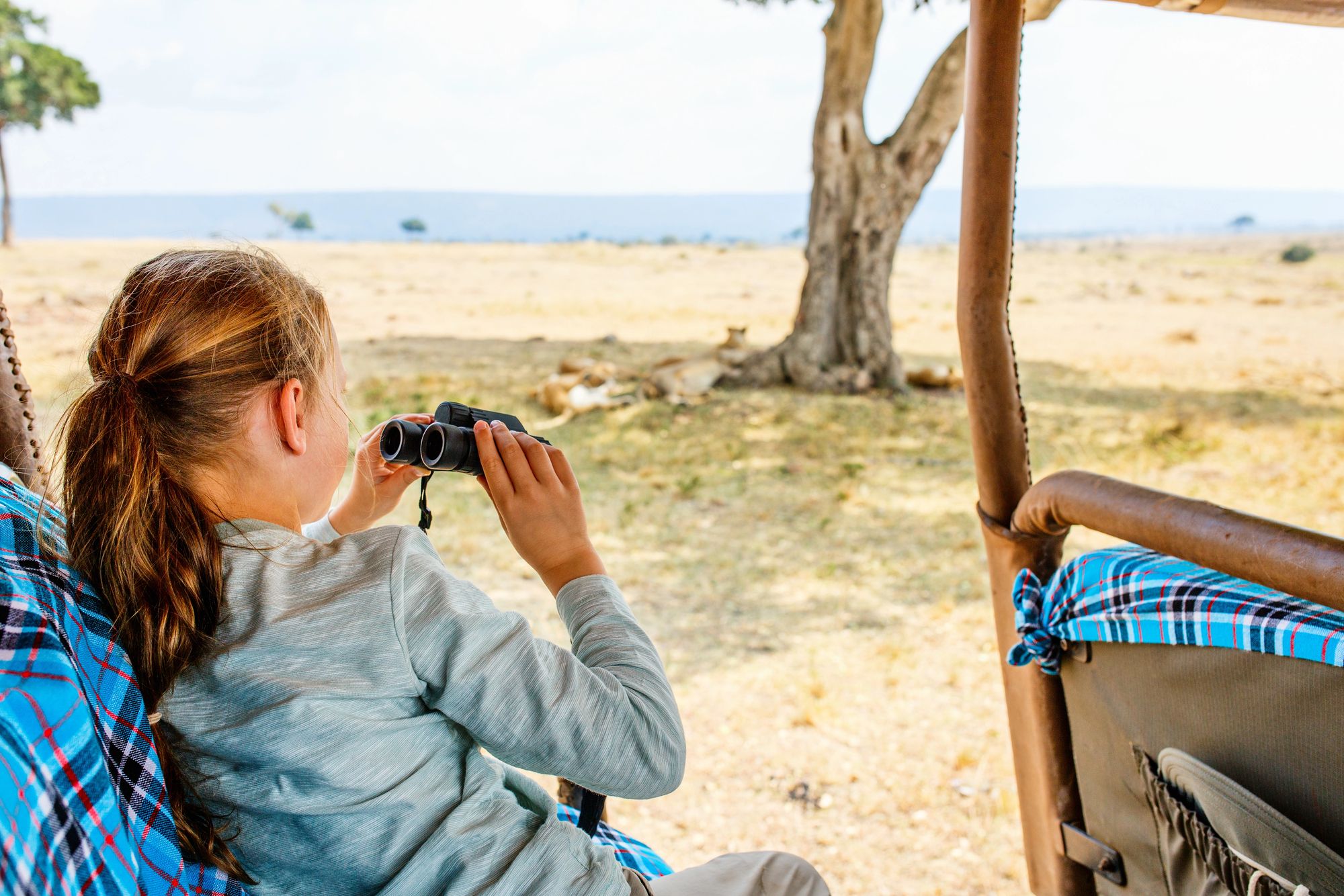
Roughly three hours in the morning and three in the afternoon, broken up constantly by sightings. Vehicles are open-sided or have roof hatches and you stand up as much as you sit. If long stretches of sitting are a problem, say so — Laikipia and the conservancies let you walk, and we can plan around it.
Are there age limits for children?
Many camps set a minimum age for game drives, commonly around six, and some go lower or have none. Several have family units and private vehicles that remove the issue entirely. Tell us your children’s ages on the form and we will only suggest camps that will actually take them.
What if I am travelling alone?
Perfectly normal, and single supplements are the thing to watch — they are real and can be steep. Some camps waive them in low season. We always ask rather than assuming, and we will tell you which dates make solo travel much cheaper.
Can you cater for dietary requirements?
Yes, and camps are generally very good at it — vegetarian, vegan, gluten-free, halal and allergies are all routine. Tell us on the form rather than on arrival, because some camps fly their supplies in.
Is there mobile signal and wifi?
Better than most people expect. There is coverage in much of the Mara and most camps have wifi, though often only in the main area and often slow. A local SIM or eSIM is cheap and worth it for data.
More from our Kenya guides
Specialist guides across our Kenya network
Each of these is a focused guide we publish. Same Kenya specialist behind every enquiry.
Still have a question?
Ask it on the form with your dates and our Kenya specialist will answer it in the same reply as your itinerary — within 24 hours.