Coast and Taita-Taveta Counties, south-east Kenya
Tsavo East and West
Two adjoining parks that together form one of Kenya’s largest protected areas, with red-dusted elephants and a real sense of scale.
- Best for
- Wilderness, bush-and-beach, elephants
- Best months
- June – October, January – March
- Suggested stay
- 2 – 3 nights
- From the coast
- 3 – 5 hours by road
Why go
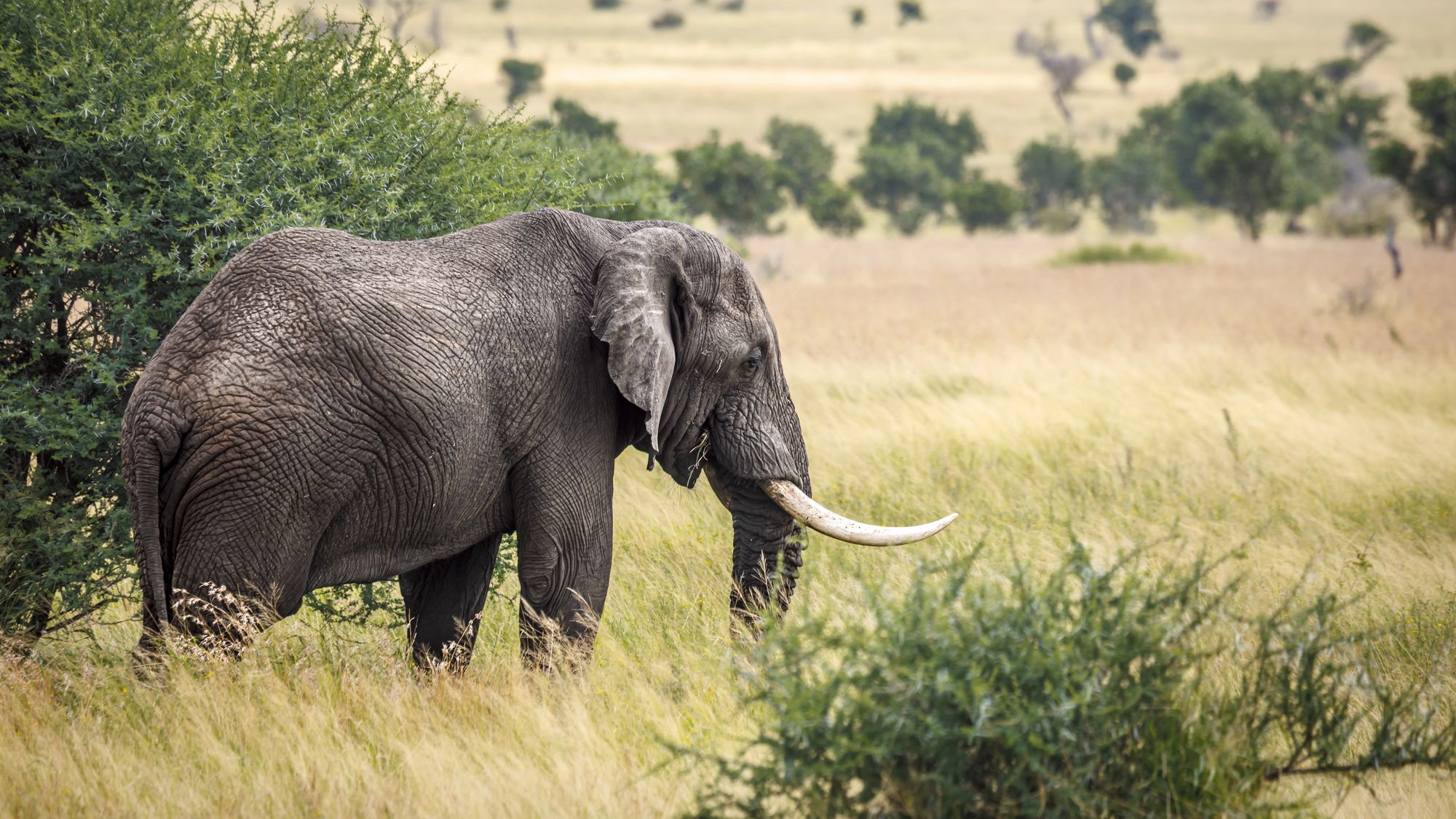
Tsavo is vast in a way the Mara is not. You can drive for an hour without seeing another vehicle, and the sense of space is the point. The elephants here take on the colour of the soil — the famous red elephants — after dust-bathing, and against the ochre ground they are extraordinary to photograph.
Be clear about the trade-off: wildlife density is lower and the bush is thicker than in the Mara, so sightings take more work. If your measure of a good day is the number of species ticked, Tsavo will frustrate you. If it is the feeling of being somewhere genuinely wild, it delivers what the busier parks cannot.
East and West are not the same park
Tsavo East is flatter, drier and more open, with the long red plains, the Galana river and the Yatta Plateau. Game viewing is more straightforward because you can see further.
Tsavo West is greener, hillier and more volcanic, with lava flows, the Chyulu Hills on its northern edge and Mzima Springs, where an underwater viewing chamber lets you watch hippo and barbel from below the waterline. It is more scenic and harder work for wildlife.
With two nights, pick one. With three or four, do both.
Why Tsavo is the bush-and-beach park
Tsavo sits directly on the Nairobi–Mombasa corridor, which means it is the only major Kenyan park you can reach from the beach in a morning’s drive. For anyone building a trip around Diani or the north coast, this is the safari half.
The SGR railway between Nairobi and Mombasa also passes through, and the Voi and Mtito Andei stations make some interesting combinations possible for travellers who would rather not fly.
What you will see
- Elephant — large herds, red with dust
- Lion, including the Tsavo lions whose males often carry little or no mane
- Buffalo, giraffe, lesser kudu, fringe-eared oryx and gerenuk
- Hippo and crocodile at Mzima Springs in Tsavo West
- Black rhino in the Ngulia sanctuary in Tsavo West
Where to stay
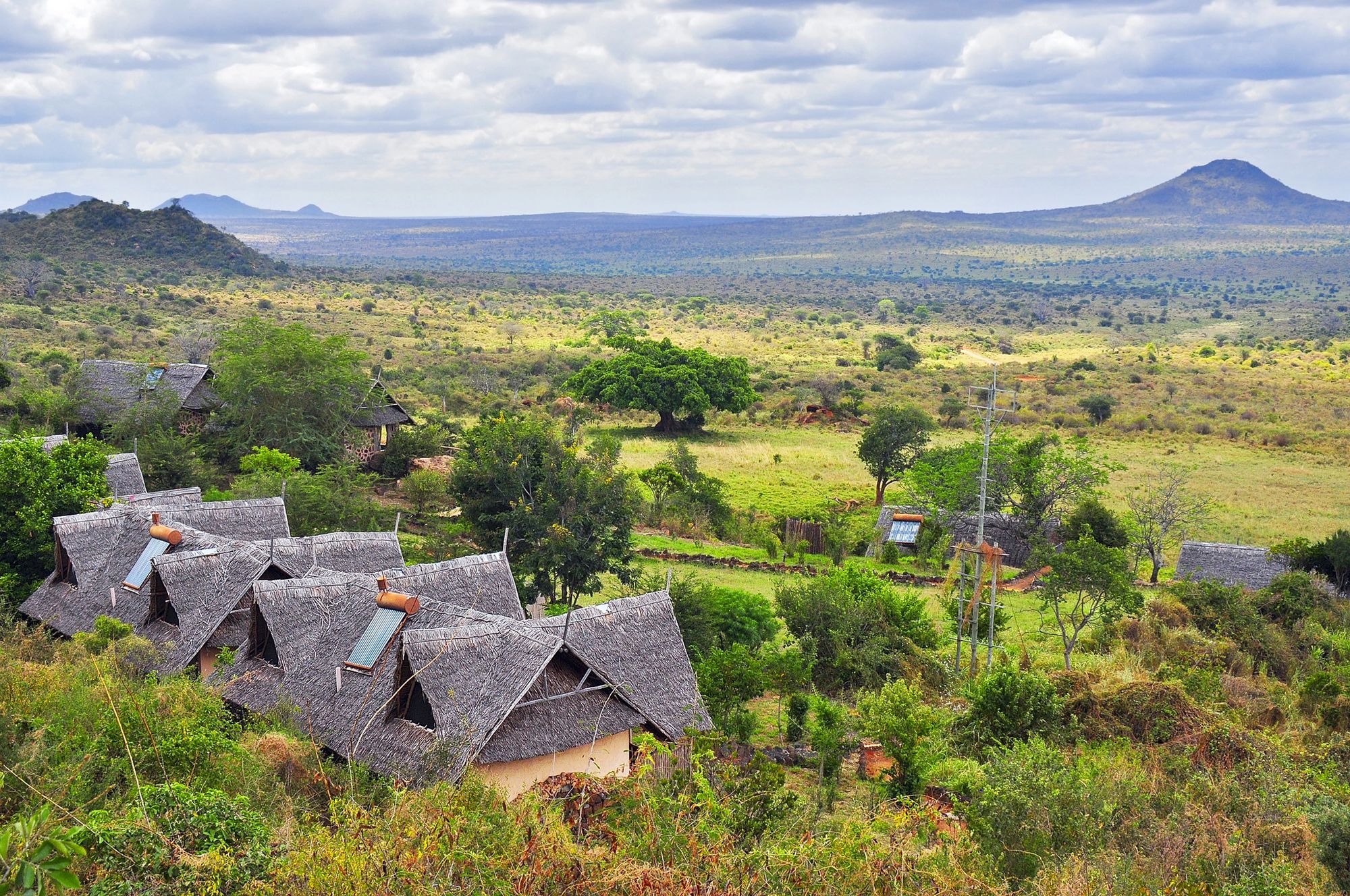
- Lodges overlooking waterholes, where the game comes to you in the heat of the day — Tsavo does this better than anywhere in Kenya.
- Small tented camps on the river in Tsavo East for a wilder, quieter stay.
We do not publish camp names as recommendations
Which camp is right depends on your dates, your budget and how you feel about other vehicles — and availability changes weekly. Tell us those three things and our Kenya specialist names specific camps in your quote, with the reasons.
Getting there
- Drive: three to five hours from Diani or Mombasa depending on the gate, or five to six from Nairobi.
- Fly: airstrips in both parks with scheduled links to Nairobi and the coast.
- Train: the SGR between Nairobi and Mombasa stops at Voi and Mtito Andei, both close to park gates.
Questions
Tsavo: common questions
Is Tsavo a good first safari?
It can be, if you are already on the coast and have three days. As a standalone first safari flown in from overseas, the Mara gives a better return on the same number of nights.
Tsavo East or Tsavo West?
East for easier game viewing and the red plains. West for landscape, Mzima Springs and the Chyulu Hills. Most short trips from the coast use East.
More from our Kenya guides
Specialist guides across our Kenya network
Each of these is a focused guide we publish. Same Kenya specialist behind every enquiry.
Put Tsavo into a real itinerary
Send us your dates, who is travelling and roughly what you want to spend per person per night. Our Kenya specialist comes back within 24 hours with a plan built around them and a costed quote.